
































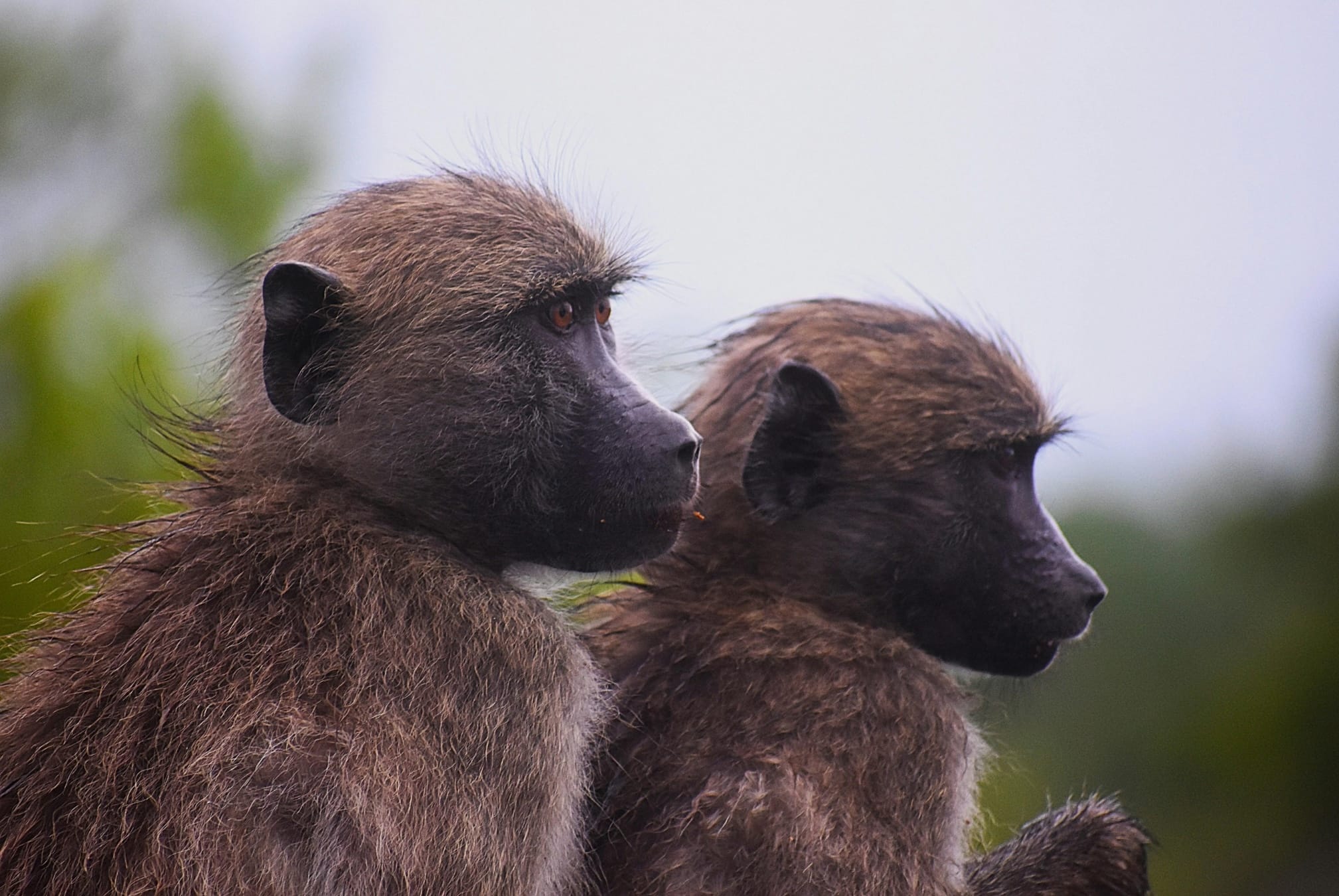

The iconic chacma baboons of the Cape Peninsula are facing a new and claustrophobic threat. Animal Survival International (ASI) has officially sounded the alarm over a City of Cape Town proposal that could see wild troops captured and confined to a single, one-hectare enclosure.
For a species defined by its social complexity and vast natural range, critics say this isn’t “management”—it’s a prison sentence.
The One-Hectare “Sanctuary” or a Stress Cooker?
The proposal focuses on capturing two specific troops—the Seaforth and Waterfall troops—and placing them within a 1.5-hectare trial enclosure on Plateau Road. While the City frames this as a “sanctuary,” ASI Campaign Director Luke Barritt warns that the reality is far more grim.
“Confinement to a one-hectare enclosure represents an extreme and unnatural restriction of space,” says Barritt. “This project appears to have got underway before all required legislative, environmental, and administrative processes had been completed.”
The Social Dynamics of Disaster
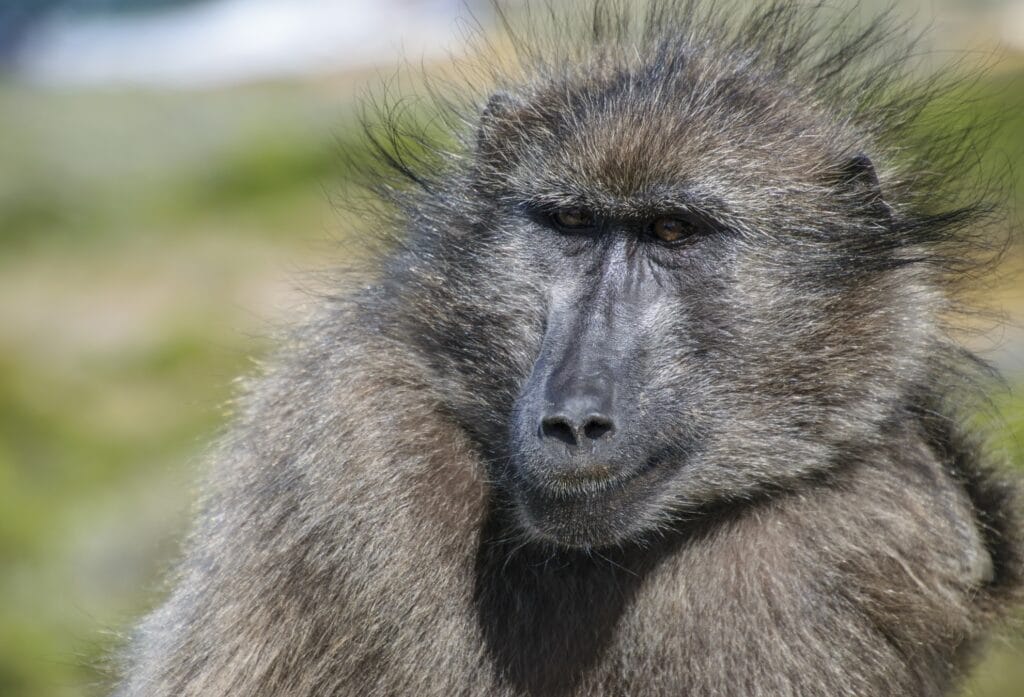
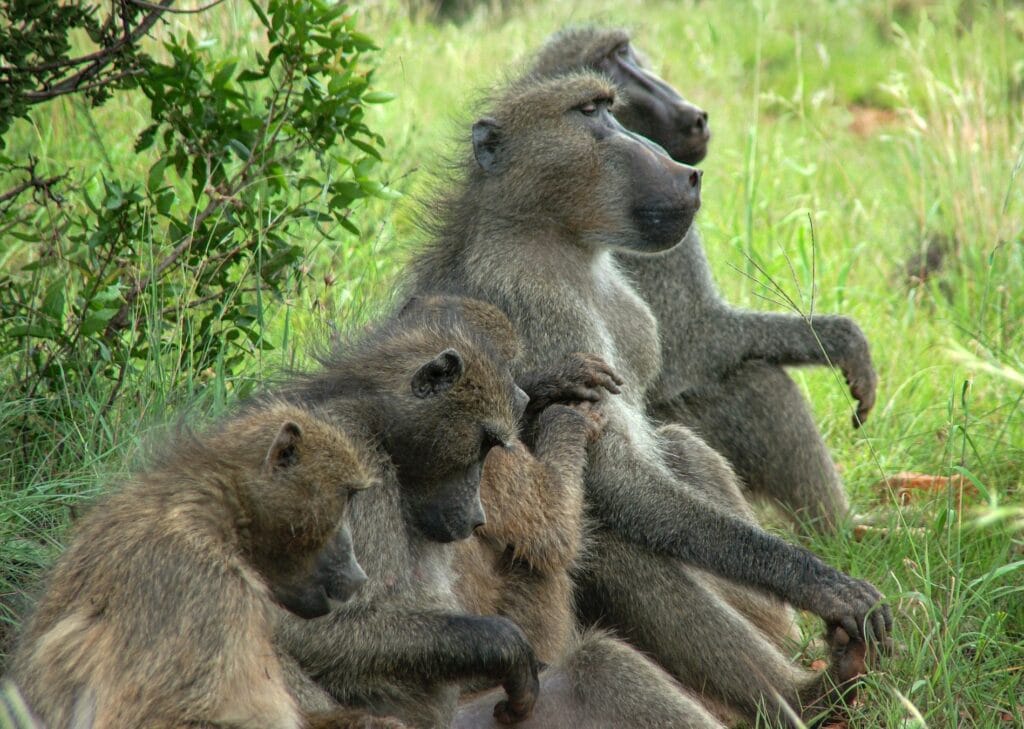
Baboons aren’t just animals; they are socially sophisticated beings with established hierarchies. In the wild, rival troops avoid bloodshed through spatial separation. By forcing two different troops into one tiny hectare, the City is creating a “predictable risk of aggression, injury, and death,” particularly among adult males.
Add to this the brutal heat of a Cape Town summer, and you have a recipe for disaster:
- Intense competition for limited shade and water.
- Physical and psychological stress from overcrowding.
- Forced vasectomies for healthy males as part of the relocation process.
Why is the City Ignoring the Alternatives?
The most frustrating part of this proposal is that it ignores the root cause: human behavior. ASI and other welfare organizations have long proposed non-lethal, non-confinement strategies that actually work:
- Strict Waste Management: The rollout of baboon-proof bins (currently delayed by the City until May 2026).
- Baboon-Proofing Infrastructure: Securing properties rather than punishing the wildlife.
- Coexistence-Based Strategies: Education and ranger programs that prioritize keeping baboons in their natural mountain habitats rather than “managing” them once they hit the streets.
The Urban Interface: From Baboons to Backyards
This isn’t just about the baboons; it’s about how we manage the entire ecosystem of the Cape Peninsula. When we try to “fence in” nature or fail to secure our urban boundaries, the conflict spreads to every corner of our neighborhoods.
While the City focuses on these controversial enclosures, local residents are left to navigate the daily reality of sharing their space with predators, scavengers, and mountain wildlife. This intersection is where our domestic and feral animals often find themselves in the crossfire.
A Community of Care
The struggle for humane treatment isn’t limited to the mountains. Just as ASI is fighting for the dignity of the chacma troops, local initiatives are working tirelessly to manage the smaller animals that call our streets home.
If you want to see how the community is stepping up to care for the Cape’s smaller four-legged residents, check out Cats of Cape Town— a dedicated resource for the welfare, rescue, and stories of the feline colonies living right alongside these urban-edge habitats.
Whether it’s a troop of baboons in the fynbos or a colony of cats in the city, the message remains the same: coexistence requires compassion, not cages.
A Call to Action
ASI is urging the City of Cape Town to halt the project and re-evaluate the implications of this plan. As Barritt puts it: “This is neither humane nor proportionate.”
If we claim to love the wild soul of the Cape, we cannot respond to human-wildlife conflict by building cages. The Peninsula baboons belong to the fynbos and the mountains—not a one-hectare pen.