
South Africa is about to get its groove on, thanks to a cannabis revolution that’s poised to make some serious mula and give rural communities a leg up in the world. Stoned Citizens of the Rainbow Nation are stoked to be part of the next big thing, with plenty of experts convinced the country is sitting on a goldmine (of weed, OBVIOUSLY).
(more…)Category: Grow
How to grow cannabis and other grass like a stoned citizen.
-
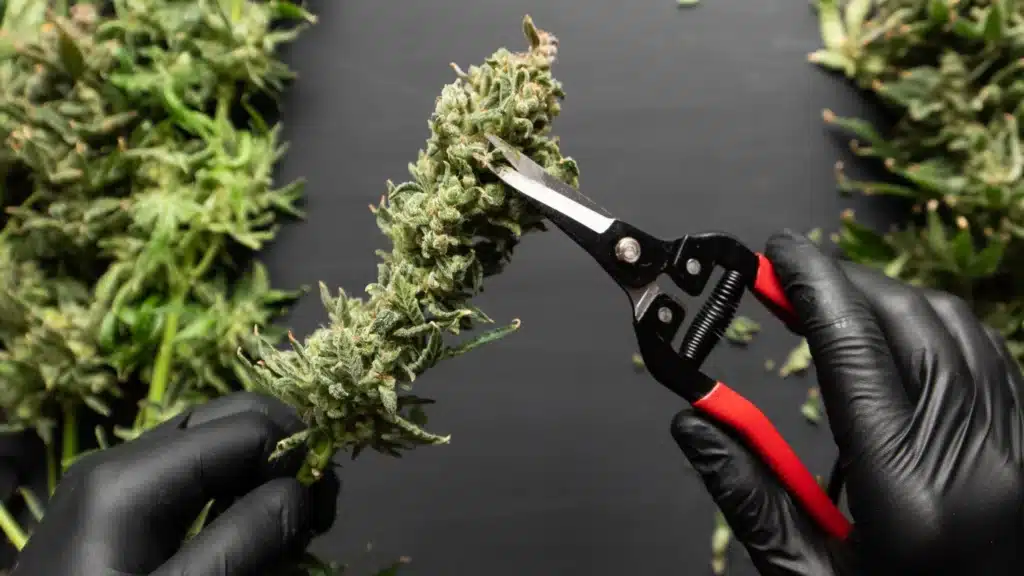
How To Upcycle And Get The Most Out Of Cannabis Trim
Cannabis growers spend many hours trimming their marijuana plants during the growth cycle and again after harvest. The leaves and stems taken from the plant are often seen as waste and generally end up in the trash.
(more…) -

Growing Marijuana At Home VS Buying In A Dispensary: What To Choose?
As the usage of medical cannabis becomes legal in more and more countries, the growing number of weed-lovers start thinking about cultivating weed on their own. Yet, is it worthwhile to grow marijuana at home, and what are the benefits of cultivating weed houseplants instead of buying buds?
(more…) -
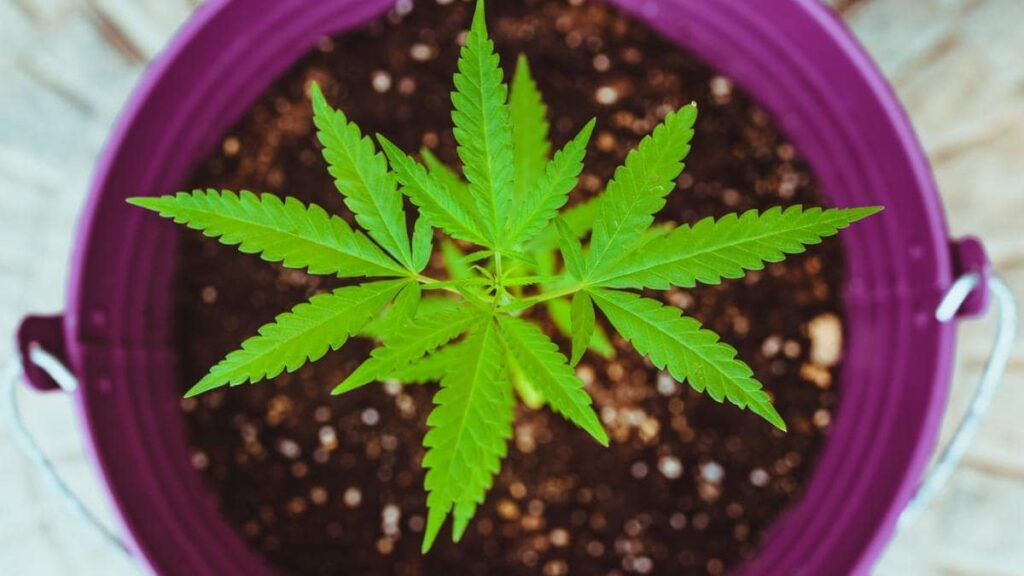
Cannabis Plant Anatomy – Up Close And Personal With Marijuana
With a huge shift in the legalization of marijuana globally, we have seen the reefer receiving much-needed attention in recent years. With its slow pace legalization around the world scientists and Cannabisseurs alike have had their hand at developing products. Scientists are conducting research into exactly what cannabis is, what compounds it is made up of and how it affects different parts of our bodies. We investigate the anatomy of the cannabis plant.
As we become ever more conscious about the environment and our impact on the well being of mother earth, we must understand marijuana, the plant’s anatomy and how to best benefit from the Holy Herb.
The Anatomy of the Marijuana Plant, because there is more to it than to ‘pick out the seeds and stems’ as Afroman so blazingly riffs in Colt 45.
Cannabis plants are dioecious, meaning the male and female reproductive structures are in separate plants. Male plants produce pollen which fertilizes female flowers. Female plants carry the flowers which we smoke. The male counterparts have very few cannabinoids and are often removed to avoid them pollinating the female plants. Which would result in a smaller yield of not-so-dope dagga, due to the development of the seeds. Marijuana can be hermaphroditic, meaning it has both male and female reproductive structures. These plants are also not ideal when cultivating chronic, as they self-pollinate.

ROOT
The root system is long and fibrous and is made up of a taproot and branching lateral roots. The roots are an essential part of the plant as it absorbs water which assists with transporting nutrients to the rest of the plant as well as storing excess nutrients for later use. Cannabis root has been used throughout history, it can be dried and powdered and is known to be high in alkaloids which can reduce fever, dysentery, gastric complaints as well as improve general health and well-being.

SEED
Where it all begins, the seeds carry the genetic information from the two parent plants. The cannabis seed is a tiny plant embryo that will germinate once it is exposed to the right amount of moisture (water) and temperature (sunlight).
STEM
Other than offering the major structural support for the plant. The stem is also part of the main transportation system for nutrients and water. Very similar to a vascular system of tubes connecting the roots to the stalks and leaves.
LEAF
One of the most iconic stoner symbols to date is the open hand-shaped leaves that have five, seven, nine or more serrated leaflets. The leaves use the process of photosynthesis to absorb carbon dioxide, water and the sun’s rays. This is then converted into oxygen and sugars; imperative as a source of energy to sustain the plant’s growth. The fan leaves shade the delicate buds and protects them from sunburn.

From here, we will look at ganja’s gender distinction;
FLOWER
Before the flowers open, their shape determines the sex of the plant. If the unopened bud is shaped and coloured like a small yellow or green banana, the plant is male and won’t flower. Whereas the female’s unopened bud resembles a teardrop. Once the unfertilized female plants are matured the flowers consist of trichomes, pistilles and stamen.
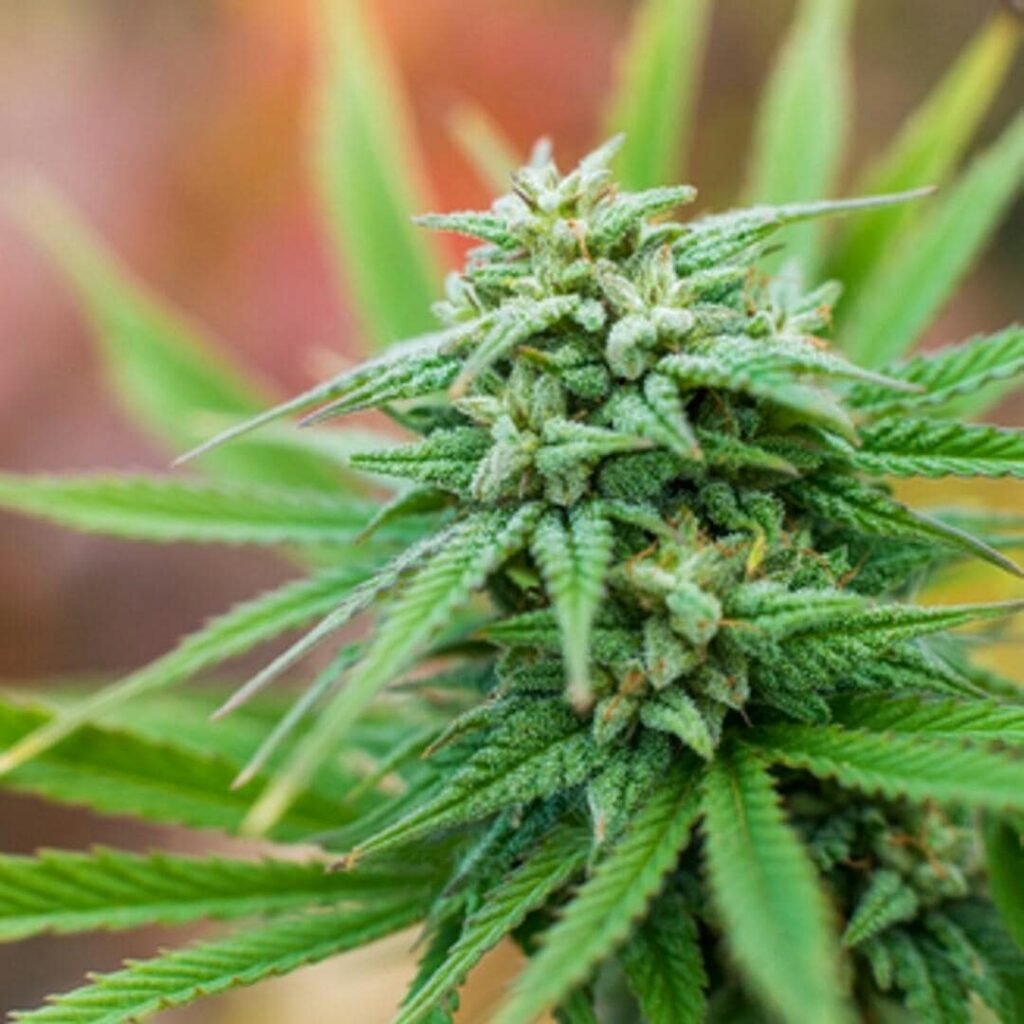
TRICHOMES
These mushroom-shaped glands take up the surface of the flowers (as well as the smaller leaves known as Sugar Leaves). The trichomes are responsible for secreting a resin that acts as a natural defence against disease and infection. They also offer protection from excessive heat and deters pests. The resin contains the highest amount of cannabinoids, like THC and CBD. Trichomes also produce and secrete terpenes, which gives spliff a seductive smell and tantalizing taste.

PISTILLES
These are the female reproductive structure, it resembles tiny hairs which point in all different directions, searching the surrounding atmosphere for pollen. The pistils change colour throughout the maturation process of the cannabis plant, they start white and turn orange, brown and even red.
STAMEN
Pollen sacks make up the male reproductive structure. In hermaphroditic plants, both pistils and stamen are present. If you are not looking at collecting a bunch of seeds, for whatever reason. Ensure to weed out the menacing male plants along with the intersex ones.

I hope this breakdown proves useful in gaining a basic understanding of the anatomy of the cannabis plant. Marijuana research is still in its infancy, small discoveries lead to bigger and better ones. Stick around Herbalists, sharing is caring and at Stoned Citizen we love sharing nugs of knowledge to educate, empower and enlighten lettuceheads alike!
-
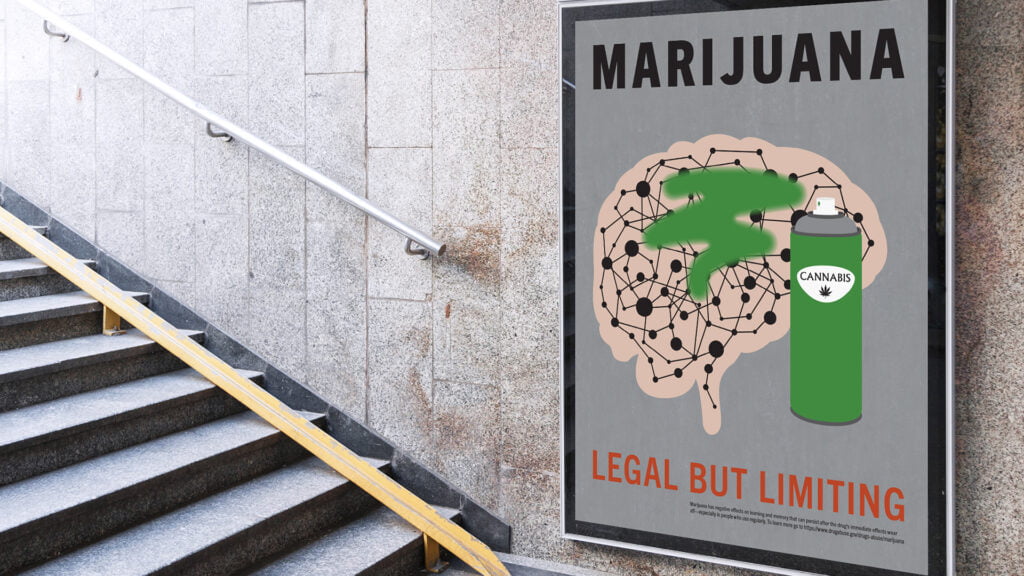
The Origins Of The Word Marijuana
Ever wondered how cannabis or dagga, come to be called marijuana? Throughout the 19th century, Americans used the word “cannabis” when referring to the marijuana plant.
So why does the term “marijuana” dominate the discourse in the United Sates, while most people in Europe and large swaths of Latin America refer to the drug as cannabis, the botanical name for the plant?
The answer, in part, is found in the Mexican Revolution, which began in 1910. After the upheaval of the war, scores of Mexican peasants migrated to U.S. border states, taking with them their popular form of intoxication, what they termed “mariguana.”
Upon arrival, they encountered anti-immigrant fears throughout the Southwest — prejudices that intensified after the Great Depression. Analysts say this bigotry played a key role in instituting the first marijuana laws — aimed at placing social controls on the immigrant population.

In an effort to marginalize the new migrant population, the first anti-cannabis laws were targeted at the term “marijuana.” It’s no coincidence that the first U.S. cities to outlaw pot were in border states. It is widely believed that El Paso, Texas, was the first U.S. city to ban cannabis, when it approved a measure in 1914 prohibiting the sale or possession of the drug.
Around the same time, West Indian and Mexican migrants started taking marijuana with them to ports along the Gulf of Mexico — most notably New Orleans, where the media began associating cannabis use with jazz musicians, blacks and prostitutes. Media outlets across the country helped fuel the hysteria, churning out headlines like “Loco weed now cultivated and smoked in cigarettes” and “Murder weed found up and down coast.” By the early 1930s, 29 states had banned marijuana.
But nobody played a larger role in cementing the word in the national consciousness than Harry Anslinger, director of the Federal Bureau of Narcotics from 1930 to 1962. An outspoken critic of the drug, he set out in the 1930s to place a federal ban on cannabis, embarking on a series of public appearances across the country.
Anslinger is often referred to as the great racist of the war on drugs.
Anslinger reportedly kept files on jazz musicians titled “Marijuana and Musicians,” and monitored band mates who played alongside Louis Armstrong, Count Basie, and Duke Ellington, among others. And he began his federal campaign against the drug by publishing a report titled “Marijuana: Assassin of Youth” in 1937.
That year, Anslinger testified before Congress in favor of marijuana prohibition.
“Marijuana is the most violence-causing drug in the history of mankind,” he said during testimony. “Most marijuana smokers are Negroes, Hispanics, Filipinos and entertainers. Their satanic music, jazz and swing, result from marijuana usage.”
Anslinger’s crusade succeeded. In 1937 Congress approved the Marijuana Tax Act, which criminalized pot possession throughout the United States.
-

Sustainable Growing Practices For Home Growers To Help Preserve The Ozone Layer
The prospect of growing one’s own cannabis at home could motivate just about anybody to get the ball rolling! The first step would be doing research, becoming familiar with cannabis jargon, techniques and sustainable growing practices. Next, based on the specifications outlined in the grow plan; sourcing equipment, consumables and genetics. And finally, starting the actual process when life springs to action as your seeds germinate.

Perhaps you are a seasoned grower capable of maintaining a sizable ganja grow operation with relative ease? Or you recently enjoyed success and are currently noting adjustments to consider for the next grow project. Regardless of where you fit into the spectrum, you have a responsibility to responsibly cultivate cannabis by adopting sustainable growing practices and actively working to mitigate our carbon footprint.
WORLD OZONE DAY
September 16 is International Day for the Preservation of the Ozone Layer, as designated by the United Nations General Assembly. The observation is in commemoration of the date in the year 1987 when the Montreal Protocol on Substances that Deplete the Ozone Layer was signed by member nations. World Ozone Day serves as a reminder of the devastating environmental impact humans have had on the planet and the duty to ratify the damage fueled by past ignorance. We have to be better!

Here is our list of sustainable growing practices that are easily adopted by home growers of any scale, regardless of experience. The mission is simple; significantly reduce the environmental impact, mitigate residual carbon emissions and get high doing it!
ENERGY
LIGHTING
Cultivating cannabis requires a lot of light; pot plants that are grown outdoors rely on the natural energy from the sun. On the other hand, indoor plants require powerful artificial lighting that can easily be controlled to manipulate the growth cycle and guarantee the plants grow to their full potential. A small entry-level 300W grow light can consume up to 350kWh of energy during the life cycle of a plant. In South Africa, considering the latest price hikes by Eskom, it amounts to around R700 in electricity expenses alone.

Standard grow light solutions have come a long way in recent years, companies are constantly developing new technologies to deliver the best quality light with much lower energy input. Switching to an LED lighting solution will reduce energy consumption and minimize the amount of energy that is converted to heat. These specialized lights are fully adjustable, requires little to no maintenance and has an extended lifespan. A grow room with large windows offers the opportunity to substitute artificial lighting with natural sunlight whenever possible.
CLIMATE CONTROL
Cannabis plants love warm temperatures and moderate humidity, home growers may choose to rely on other energy-consuming devices to help control the climate in the grow room. These include dehumidifiers, air conditioning, exhaust systems to draw hot air out of the room, fans to keep air circulating and automation applications. A 70 W floor fan will consume 140kWh of electricity running 24 hours a day during the life cycle of your pot plant. A single floor fan can add up to R280 to the cost of your home grow, most growers rely on multiple devices for climate control.

The flow of air in a grow room is important to cultivate happy and healthy plants, CO2 depleted air can cause nutrient lockout and attract pests and pathogens. Home growers can regulate temperatures and humidity fluctuations by strategically positioning plants and relying on natural airflow. A passive intake system will inherently supply the grow room with fresh air while clearing out stagnant air.
CALCULATE KILOWATT-HOURS
Calculating the amount of energy a device will consume during a plant’s life cycle is fairly easy. Simply multiply the device wattage by the number of operational hours, then divide the amount by 1000; to calculate the kilowatt-hours.
kWh = Power [Watts] X Time [Hours] / 1000
Convert this to currency by multiplying the kWh by the cost per kWh, as per your local power utility.
NUTRIENTS
Cannabis requires a variety of micro and macro-nutrients in different ratios throughout its life cycle, essential to promote healthy development. Home growers are spoilt for choice when it comes to nutrient brands, each promising an even bigger and better harvest. The irresponsible use of these chemical products leads to nutrient pollution, which poses major environmental and human health issues. Rivers, lakes and oceans are flooded with nitrogen and phosphorus from runoff; causing accelerated algae growth that is severely detrimental to the delicate ecosystems.
Growers have a responsibility to adopt sustainable practices that compensate for the use of synthesized nutrients. Incorporating perlite and vermiculite into healthy soil increases water retention and ultimately reduces harmful runoff. Reverse osmosis is a purification process that removes environmentally damaging chemicals from harvested runoff water.

Natural fertilisers like guano and organic compost have all the nutrients pot plants require, and are far more environmentally friendly than the artificial equivalent. Homemade compost tea is the most sustainable fertiliser that supports the growth of microorganisms, promotes plant growth and offers protection against pests.
Eliminate pests like spider mites and leaf miners with an environmentally friendly DIY insecticide. Simply mix together equal parts vegetable oil and diluted organic soap water, shake vigorously and spray away! Apply the magical mixture directly onto unwanted insects and infested leaves, avoiding any forming buds.
WATER
Not all cannabis strains are the same, smaller plants may consume less water than their sizable cousins. An archetypal outdoor plant will guzzle up on average 3.5 litres of water a day to produce 450g of smokable flower, amounting to ~400 litres during its life cycle! Stressed plants are thirsty! Maintaining a favourable climate in the grow room will ensure the plants do not consume more water than they need to sustain normal growth.

Environmentally conscious home growers should implement sustainable growing practices like irrigating with condensation or rainwater. Hydroponics and aquaponics could be considered as alternative methods for cannabis cultivation, these contemporary systems use less water than soil systems.
WASTE MANAGEMENT
Sustainably growing ganja includes an obligation to adapt responsible waste management practices. Inorganic waste like plastic, glass and metal must always be recycled or creatively UPcycled for reuse. All biodegradable waste should be periodically incorporated into a compost project to revitalize tired soil and make nutrient and microorganism rich compost tea. Alternatively, there is an eco-warrior out there who would be grateful to take any organic trimmings off your hands.

Give preference to brands that use eco-friendly alternatives, are actively involved with recycling initiatives and invests in community development. Demand products that are responsibly manufactured and ethically sourced.
Each and every person has a responsibility to contribute towards efforts aimed at preserving the environment, developing sustainable alternatives and adopting regenerative practices. These sustainable growing practices are simple to implement, easily maintained and contribute to reducing a home grower’s carbon footprint. Sustainably grown ganja simply tastes better, especially when you are committed to contributing to a cleaner future.
-
New Growers Often Make These Five Mistakes – What To Avoid To Guarantee A Successful Cannabis Grow
Many first-time cannabis growers are often fueled with passion and driven by enthusiasm, only to be met with disappointment. Newbie growers tend to make a few mistakes on their journey to raising a healthy plant child and harvesting premium cannabis. Cannabis plants require a specific set of conditions at different stages of their development to ensure the plant thrives; producing thick, sticky and flavourful flowers. It is extremely important to do a reasonable amount of research and invest in the proper equipment and genetics.

Amongst the many errors new growers might make; choosing quality genetics, overfeeding and overwatering, selecting the best grow-medium and nutrients, and keeping the pH levels in check; are the most common. Are you or someone you know new to growing cannabis? Not to worry! Cannabis is a die-hard plant known to withstand some serious conditions when grown outdoors. This list of common errors will give you the necessary know-how to spot any irregularities and decide on a plan of action to allow your plant to grow big and strong.
GENETICALLY SPEAKING
Genetics is the first book in the ganja grower’s bible, metaphorically speaking of course. The first mistake many new growers make is to decide to use bag seeds, in other words, the seeds you found in your weed stash. Genetics are more complicated than we might think, the very seed you find in your bud may not have any of the characteristics you are looking for. They come with no guarantee to produce any smokeable flowers; maybe you are lucky and end up with a quality plant bearing delicious bud. Maybe you are not and end up with a male, hermaphrodite or dud plant. Even the most experienced growers will not be able to produce A-grade herb starting with seeds with bad genetics. Always source seeds from a trusted seed bank to ensure you succeed in your new grow!

New growers who decide to invest in clones can also be troubled with poor genetics, or carry a plague of unwanted pests, mould or illness. Always source clones from a reputable supplier that is known to deliver superior quality plants with favourable genetics. Investigate prospective merchants by checking out their product reviews.
DROWNING IN YOUR LOVE
Irrigating pot plants involves more than just following the instinctual ritual of regularly watering the plants, unmonitored a ganja grow can quickly become waterlogged. Many new growers want to provide their plants with enough water, but often go overboard and end up drowning their plants. When cannabis plants are overwatered their roots are unable to get enough oxygen which is necessary for normal plant growth. Moreso, all of the important growth-promoting nutrients are washed away. Whether you are flooding your plant with too much water at a time or irrigating way too often, it is a lot easier to drown a cannabis plant than one might think.
Choosing the best growing medium is as important as choosing the right genetics. An unsuitable growing medium will be too dense or hold too much water, leaving very little space for oxygen. It is beneficial to invest in a growing medium that has been specifically formulated for cannabis cultivation, loaded with the nutrients necessary to promote plant growth. Designer grow mediums are well-aerated to ensure water and nutrients are evenly distributed amongst the root system. The formulated medium allows excess fluids to run off, giving the roots access to plenty of oxygen.
What should you consider when planning a successful watering schedule? Firstly; it is important to remember that plants require less water in colder environments than they would in a warmer or drier climate. Plan to water your plants in the morning, giving them the entire day to absorb nutrients and allow adequate sunlight for photosynthesis. When it comes to potted marijuana plants, size does matter to avoid overwatering and waterlogging. Infant plants should be started off in smaller vessels and replanted into larger ones as they grow.

A drooping plant is the first sign you are overwatering. The leaves will also droop, curl up and develop yellow or brown spots; a condition known as chlorosis. Continued overwatering could result in the plant’s death due to oxygen starvation and nutrient deficiencies.
Once you have accepted the fact you have been overwatering your plant child you can take the restorative steps to bring it back to good health. Stop watering immediately, and reconsider your watering schedule. Monitor the moisture level of the growing medium regularly, the goal is to keep the growing environment continuously MOIST, never wet! On the other hand, plants can become dehydrated and die if you neglect to water them regularly – consider a watering schedule!
FORCE FEEDING
Many new growers tend to become helicopter parents, a custodian who takes an overprotective or imprudent interest in their child’s every movement. And why wouldn’t you? You are investing all the time and energy into your beautiful plant child and its wellbeing. Newbies tend to overanalyze every small change on their plant, they start panicking and make hasty decisions to rectify a problem that might not exist. Or perhaps the promise of an even bigger yield has motivated the gluttonous decision to overfeed your plants. Beware of force-feeding, the overload will disrupt the water flow and cause a nutrient burn.
There is, what seems like, a never-ending list of manufacturers and suppliers of nutrients, each promising a yield bigger than the one before. Do the research and talk to established growers in your community before deciding on the best brand for you. A reputable company will provide you with a full nutrient plan that has the specific nutrients needed for each stage of your plant child’s development. Along with a prescribed feeding schedule that explains the what, when and why. Start your plant’s feeding schedule with half the suggested amount of nutrients, and slowly increase the concentration as your plant grows up.

Be on the lookout for nutrient burn, it can creep in at any time even if you have been sticking to a strict diet plan. You will start noticing the leaves yellowing or browning all around the edges. If left untreated, the discolouration will start spreading inwards causing the leaves to die leaving them twisted and crispy. It is important to act as soon as you realized you have been force-feeding your plant child.
The first step to address nutrient burn is to remove the dead and dying leaves. It might seem sad to pluck your plant bare, but you don’t want the dying leaves to use any energy your plant could use to heal and continue growing. The next step is to flush the grow medium to get rid of the excess nutrients by deliberately over-irrigating with pH-balanced water. Once most of the water has run off, repeat the process three to five times depending on the extent of the damage.
MAINTAINING BALANCE
Most new growers have no idea how important it is to maintain the pH level of the grow medium housing their plant child. Never mind the importance of a balanced pH level for the health and development of their plant child. A pH test measures the relative amount of free hydrogen and hydroxyl ions in a substance, in order to determine how acidic or basic (not acidic) it is. The scale ranges from 0 to 14, with 7 indicating neutrality. A pH below 7 indicates acidity, whereas a pH greater than 7 indicates a base.
pH affects the bioavailability of the nutrients you are feeding your plants and ultimately affects the quality and size of your harvest. Depending on the grow medium, cannabis generally thrive on a pH ranging between 6 and 7. When the pH shifts below or above this scope the plant will not be able to absorb nutrients. In case you have not been checking the pH of your grow; sticky and discoloured leaves are a clear indicator that the pH is not what it should be, and needs adjusting.

It is important to make a habit of regularly testing the runoff water when you have watered or fed your plant. Most serious ganja growers use a Digital pH Pen to determine accurate pH readings, the alternative is an analogue test involving drops and strips. Once you have determined the pH, you can take action to restore the balance. Most cannabis grow supply stores sell formulated solutions to either increase or decrease the pH. Just like when choosing a genetics distributor or nutrient producer, finding a reputable supplier is key. Growers who prefer to stick to organic growing can use manure, compost, worm castings, compost tea or wood shavings to naturally lower the pH over time.
Using these natural products has the added advantage of establishing a favourable microbial that promotes healthy growth and offers protection against pathogens and pests. Limestone or ash collected from a wood fire offers a natural remedy to gradually increase pH and contributes potassium, calcium, and other micronutrients to your growing medium.
LIGHT OF YOUR LIFE
New growers are often not clued-up on the lighting requirements for cannabis plants, they need plenty of sunlight for optimal growth and development. Some newbies are under the impression that cannabis plants have similar sunlight needs to other potted plants. Condemning their plant children to shadowy windowsills. Or they rely on the light from a single incandescent bulb in a nearby fitting. Other, more enthusiastic, growers already own adequate lighting but have no idea how or where to position it.

The success of an indoor grow relies on more than just the type of lighting. The grow light has to be strategically placed, closely monitored and adjusted when necessary. Grow lights are available from many reputable companies and come in different shapes and sizes. These are generally accompanied by a guide advising on the suggested positioning for each stage of the plant’s development. If you have not yet, we suggest investing in a premium LED grow light capable of delivering high light levels without generating excessive heat.
Keep a close eye on your plant child for signs of being stressed. Marijuana plants will show signs of burn damage on their leaves when the grow-light is positioned too close. Additionally, the excess heat will cause the plant to take in more water, including nutrients, which could cause a nutrient burn. When the grow light is insufficient or positioned too far away; the plant will spend a lot of energy growing towards the light, instead of developing structural integrity. The thin elongated trunk will be too weak to support the weight of the plant.
Now that you know what to look out for in your developing plant child, you are able to act immediately when you identify any symptoms associated with any of the five common mistakes new growers make. If you act quickly and are able to make an informed decision you may be able to stop the stress; giving the plant an opportunity to heal and restore itself. Good luck with your home grow and remember to have fun!
-

Cheeba Cannabis Academy – A Training Solution For A Developing Cannabis Industry
There sure has never been a more exciting time to be alive! The legalization of cannabis, the destigmatization of the cliche stoned citizen persona and the establishment of a Cannabis Academy has paved the way for the impending Green Rush. South Africa has a very favourable climate for cannabis cultivation. That paired with the unique landrace strains that are indigenous to our country and the years of experience local growers have obtained has us well-positioned to be a major contender on the global stage.

Legal cannabis cultivation is not just necessary to boost a struggling economy, it is pivotal to address our burdensome unemployment woes. It has been estimated that the local cannabis market will fetch a staggering 7.1 billion USD by 2023, creating a massive demand for skilled and semi-skilled labourers. Training and educating individuals is an essential step in establishing a functional cannabis ecosystem where entrepreneurs, labourers, medical professionals and wellness practitioners can thrive.
COVID
The global Coronavirus pandemic has halted entire economies, crippled already strained health systems and forced citizens into hiding. Some industries were hit harder than others, displacing many people and forcing millions of people around the world to seek new ways to earn a living. If you are considering a career in cannabis, now is the time to learn the skills and get the qualification on your resume.

At the vanguard of educating South Africans is the newly established Cheeba Cannabis Academy, the first of its kind on the African continent. Whether you are starting to grow at home, want to hone your existing skillset or aspire to cultivate on a commercial level; Cheeba offers a whole range of courses that cover everything you need to know to give you a head start in a new and exciting career. The courses are designed by leading local and international industry experts and their medical content is brought to you in partnership with their US partner Medical Marijuana 411, the global leader in medical marijuana education.

The Cheeba Cannabis Academy formed strategic partnerships with local industry leaders like Marijuana SA, Grow More Compliance and Qure Labs to ensure top quality cannabis content.
CANNABIS INDUSTRY 101

The Cannabis Industry 101 course is a full-time course that Cheeba offers at their Gauteng campus, it is designed for people from all walks of life. The students in attendance range from people who want to formalise their already existing cannabis knowledge, to people who are cannabis novices. During the three-month course, which is followed by a one-month internship, students are exposed to a hybrid learning model that combines in-class theoretical tutelage with hands-on practical training. The course material covers all aspects of ganja growing from seed to harvest, the business of cannabis, the medical benefits of cannabis and how it interacts with the human body; as well as sustainability and wellness. Graduates are rewarded with a certificate of completion which is endorsed by the University of Limpopo and Edupark.
CANNA CAMPUS
The Cheeba Cannabis Academy, located outside Johannesburg, opened its doors earlier this year, 14 students have already completed the three-month course and are about to start their internships. The state of the art facility has established cannabis grow tunnels and boasts a 120-seater auditorium, eight lecture halls and onsite accommodation for up to 190 full-time students. Other amenities include two social dining venues, recreation facilities and 24-hour security.

As part of the course, students join the Onder Die Boom private members club which exposes individuals to a working cannabis environment. Participating members are immersed in a vibrant and supportive environment and have the opportunity to rub shoulders with industry legends and stakeholders.
ONLINE COURSES
Cheeba Cannabis Academy has a range of specialized yet comprehensive courses available, allowing students to complete the course in their own time and at their own pace. This was great news for me as it would allow me the opportunity to take on a course without having to adjust my daily routine too much. I have a full-time job and would not be happy to leave The Mother City behind, even if it only for a few months.

The Cannabis 101 course covers the history of cannabis, the plant’s anatomy, the different products available and the various ways to medicate with them. Students will also touch on the legal landscape and delve into the science behind why cannabis helps for so many ailments.
If you are serious about becoming an employable ganja grower or thinking of starting your own grow, the Cannabis Grow 101 course is for you! The course material will empower you with the knowledge, techniques and skills to grow premium quality marijuana. You will learn about the plant, its cultivation and what happens after you harvest your plant.

Perhaps you would like to become a budtender, dispensary technician or cannabis consultant? Cheeba offers the most comprehensive course that teaches individuals about medical cannabis and the patients that rely on the healing properties of pot. The course aims to ready individuals with the knowledge and insight to manage patient conversations in a medical marijuana dispensary. Including the legality around dispensing cannabis, how it works in the endocannabinoid system, how to make strain-specific recommendations and advice on responsible dosage. The course is certified in numerous US states including Washington and New York, opening up the opportunity to travel and work abroad.
CHEEBA CANNABIS ACADEMY BUNDLE COURSE

I decided the best online course for me would be a Cheeba Cannabis Academy Bundle course, which is a hybrid option. It includes both self-study and lectured teaching methods via an online virtual classroom. This will allow me to study in my own time, have the opportunity to ask questions during class sessions and network with like-minded people; I would call Pot piers. The once-a-week classes are scheduled from eight and ten PM, meaning I do not need to slack on other responsibilities. Because the classes are limited to 20 students per session, every student can receive personalized attention to guarantee their success. The best part? At R3150 all-inclusive, this course is extremely good value for money!
I am excited to announce that I am enrolled for the July 1 intake of the Cheeba Cannabis Academy Grow 101 Bundle course. I have received a breakdown of the course material and the location URL for the first virtual classroom session. According to Trenton Birch, co-founder and CEO of Cheeba Cannabis Academy, the response to their online courses has been great. Selling around ~500 courses to South Africans from all over the country, a majority of who are interested in gaining cultivation knowledge.
I will be documenting my experience, report back with my thoughts and showcase what I have learnt. Wish me luck!
-
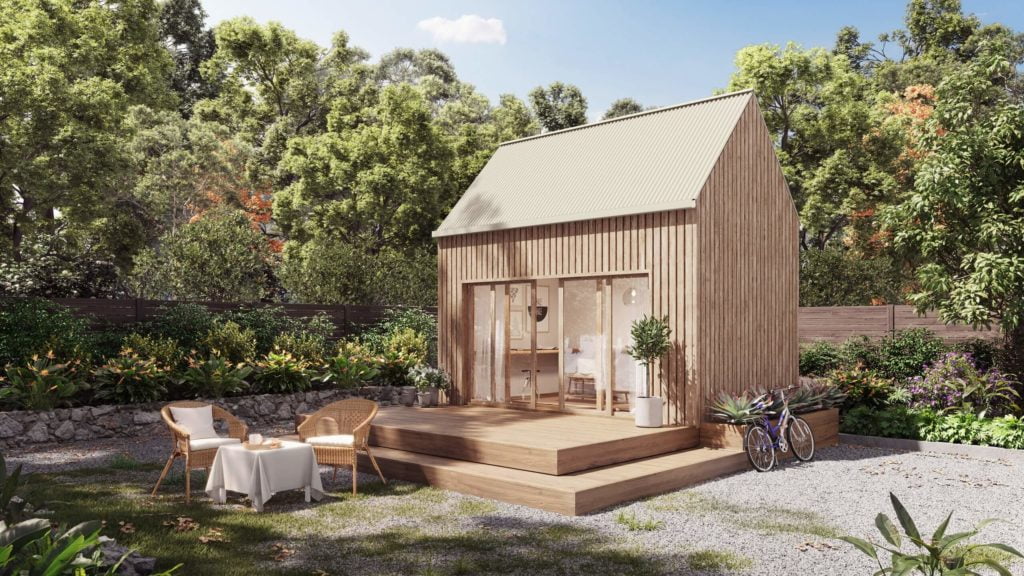
Hempcrete – A Sustainable Building Material Used To Create This DIY Tiny House by Coexist
The global Coronavirus pandemic has changed much of life as we knew it. We washed our hands more, we baked dozens of batches of chocolate chip cookies and sourdough loaves, AND we started working from home. One thing that most people had in common was the lack of space to work, to be creative or simply just to breathe! We take a look at an architect-led business that is researching and developing sustainable plant-based construction materials like Hempcrete, a carbon-negative building material that has been around for thousands of years.

Drew Oberholtzer, co-founder of Coexist Build had this to say about what motivated his team to design The Traveller: “We were struggling to get our work done with two small children at home, we kept thinking—if only we could have a tiny office in the backyard.”
The Traveller is a build-it-yourself cabin that will boost your property’s square meterage and un-blur the line between your personal and professional life. All while using sustainable materials in a design with a more holistic approach to mind and body wellness.
THE TRAVELLER

The Traveller is a DIY prefab cabin kit that Coexist officially launched on Earth Day earlier this year, priced at $26 900. The easy to assemble ‘flatpack’ style parts are pre-cut and labelled and comes with an illustrated instruction manual. With some basic tools and help from a few friends, you could build your very own Traveller cabin in approximately one week. The 13 square meter cabin turns your extra yard space into a multifunctional sanctuary for anything from a secluded office to a cosy weekend staycation spot or a 420 friendly guesthouse.

Other than some timber joinery, the cabin’s structure is predominantly manufactured with hemp. Hempcrete is a zero-carbon building block that functions as insulation in the floor, walls and ceiling. The interior finishings are manufactured by artisanal craftsmen from local timber sourced from FSC certified forestries. For the exterior facade, you have an option between cedar, corrugated iron and painted lime plastered hempcrete.

The Traveller has glass door panels on the ground level that easily slide away to let the outside landscape in. The lofted area is the perfect spot to set up a cosy bedroom space as it fits a queen-sized bed.
COEXIST BUILD

Coexist is an architect-led business based in Pennsylvania that offers full turnkey solutions for healthy, simple and sustainable construction. Co-founding husband and wife duo Anastasiya Konopitskaya and Drew Oberholtzer are hell-bent on bringing hemp-based construction into the spotlight. The pair have been building and designing with hempcrete for three years on top of owning and running a regenerative organic farm that doubles as a research and development lab to experiment with plant-based building materials. Their combined expertise and their experience in building small homes deliver an ecosystem where the natural world can coexist with humans in a clean and healthy fashion.
HEMP

Hemp is a fibrous variety of the cannabis plant that grows rapidly and is believed to have been cultivated since the Neolithic Age in China. The strains used to cultivate hemp for industrial use have a distinct phytochemical structure that does not include THC, the psychotropic cannabinoid responsible for causing the feeling of being high. Hemp is extremely versatile and has come a long way from when it was first spun into fibres approximately 50 000 years ago. Once refined, hemp can be used to make paper, rope, textiles, clothing, bio-plastics, paint, insulation, biofuel, food items and animal feed.
An ancient Greek writer named Herodotus (~480 BCE) reported that the inhabitants of Scythia, modern-day Central Asia, would often inhale the vapours of hemp seed smoke for recreational pleasure and to fulfil rituals.
The legality of cultivating industrial hemp varies all across the world. Minister of Agriculture, Land Reform and Rural Development (ALRRD), Thoko Didiza recently confirmed that legal hemp cultivation may soon be on its way in South Africa. “The department will, with the help of the Department of Justice, as of October 2021, begin issuing and monitoring permits for the production of hemp in South Africa” – Minister Didiza addressed the issue during her department’s budgetary vote.
HEMPCRETE

Hempcrete, aka hemp-lime, is made by combining dry hemp hurd and a hydraulic lime binder with water. The hemp lime mixture is then compacted into block-shaped moulds before it is left to cure. Hempcrete is lightweight, fireproof, mould and insect resistant and has excellent acoustic performance; to mention a few distinct advantages. It is estimated that hempcrete can save you up to 40% of heating and cooling costs because of the breathable insulation that self-regulates temperature and humidity. Hempcrete is a low-density material and is resistant to cracking under movement, making it perfect to be used in areas that are earthquake-prone.
Hempcrete is considered a carbon-negative raw material because it not only absorbs carbon dioxide from the atmosphere while it grows, the carbon dioxide is permanently stored in the hempcrete block.
Who doesn’t love getting a crew of stoned citizens together to take on a DIY project like this? Chill some beers, roll a few joints and have the pizza delivery guy ready on speed dial, we are building a shelter with a purpose!
-

5 Herbs To Grow On A Green Roof
Add urban agriculture to your landscaping résumé by growing your own herbs on a green roof. Many of the most common culinary herbs happen to survive in dry, rocky places, making them ideal candidates for a city rooftop or sundrenched terrace. Generally speaking, most green roofs can be less than 6 inches/15cm deep. The dept of the growing space is one of several important factors to consider before picking herbs to plant on a green roof. Not all herbs will flourish in shallow soil, let alone the extreme and unpredictable forces of nature that come with rooftops. Intense heat, gale force winds, icy conditions and very shallow soil all come to play in the life of a herbal roof plant. Wind, for instance, dries the leaves, and if they are not watered at least once a day in the summer, the plants will die.
The following garden herbs are low-growing, wide-spreading groundcovers. Just like outdoor marijuana plants, they can withstand tough conditions and without a doubt add some spice to your next gastronomic lockdown concoction.
5. Thyme

The rooftop carpet to a luxurious aromatherapy bed for rooftop sunbathing. hymus vulgaris is the standard garden variety of thyme that loves the sun and also tolerates being walked upon. Best part? I can be harvested on demand for the kitchen!
4. Rosemary

Apart from seasoning dishes, this evergreen herb is commonly used as ornamental plantings in the landscape. Rosemary plants thrive in warm, humid environments and cannot take extremely cold temperatures. provide them with well-drained, sandy soil and at least six to eight hours of sunlight and watch them flourish.
Dill

Flavoring everything from dips to fish, dill grows best in full sun. Other than this, dill will grow happily in both poor and rich soil or in damp or dry conditions. Both the leaves and seeds of dill weed plants are edible, making it a versatile herb to use in a variety of dishes.
Chives

Don’t have green fingers? Plant some chives! They are pretty, edible, and by far the easiest herb to grow in just about any environment. Chives prefer soil that is not too wet or too dry and loves strong light, making them one of the best herbs to grow on a green roof. The flowers are edible and can also be used in flower arrangements. Ticking all the boxes, chives are versatile and can be used in ANYTHING you can think of. Don’t believe us? Sip on this savoury herbaceous cocktail and start planting.
Mint

Will mint grow everywhere? Highly probably! Most varieties of mint are easy to grow in various settings and thrive in full sun and moist but well-drained soil. With over 600 strains, there are some vigorous and invasive spreaders of mint varieties out there. If not controlled, mint can take over the entire herb bed of your green roof and keep on growing. If you reach for the remote when someone says “high maintenance”, then mint will be your best bet when growing herbs on a green roof.