Stoned Citizens who swear by the ketogenic diet will be all too familiar with a cup of coffee served with a spoon of butter on the inside. Known as a bulletproof coffee, the drink is wildly popular in the low-carb, high-fat diet community, all thanks to its greasy content.
While some believe bulletproof coffee is a modern concoction, the high-calorie beverage has been consumed throughout history. The Sherpas of the Himalayas and the Gurage of Ethiopia have been drinking rich and creamy butter coffee and butter tea for hundreds of years.
Humans living in high altitude regions have been adding butter to their cup of Joe for an energy boost, as living and working in these areas increase calorie needs. Additionally, many Chinese citizens commonly drink tea made with yak butter. In Tibet, butter tea, or po cha, is a traditional beverage consumed on a daily basis by the Tibetan people.
Many health food personalities and celebrities swear by bulletproof coffee as a morning boost, without any afternoon crash because of the way the fat allows the body to process the caffeine. But what happens when you add cannabutter to your favourite liquid refreshment?
By including cannabutter to your morning cup of tea or coffee, helps the human body to process cannabinoids better due to the presence of healthy fats from both the herby butter and coconut oil.
Looking for a good reason and a dash of motivation to drag your stoner ass out of bed? Treat your body and mind to the energy boost it deserves with this simple cannabis-infused bulletproof coffee recipe.
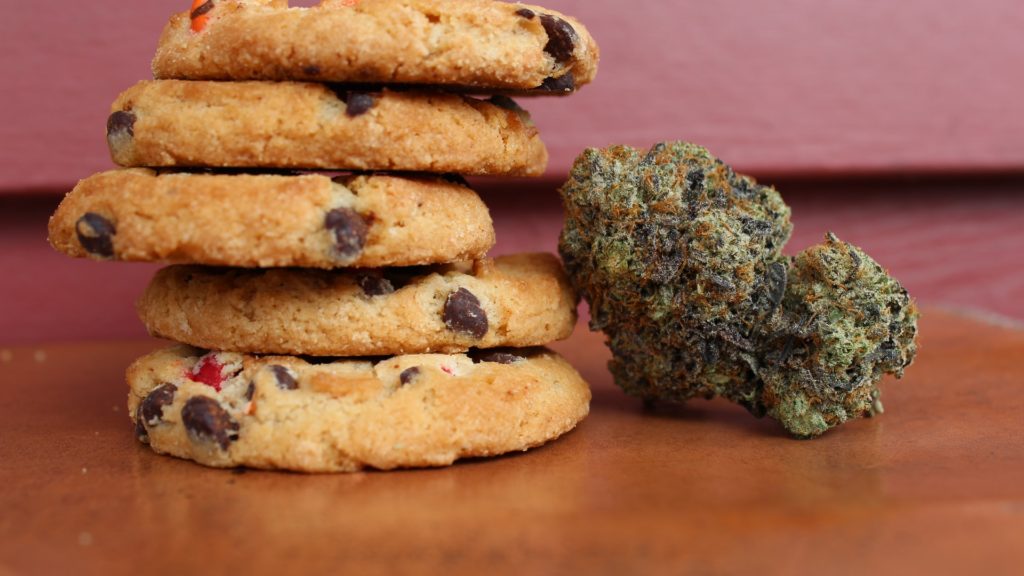
Cooking with cannabis is not exactly a new trend, perhaps rather at a junction of its evolution. One that started with fables of failed attempts at making pot brownies, or experiences of frolicking around in a field under the full moon chasing UFOs because your overdid it. Edibles have come a long way since and have reached the realm of competitive reality entertainment.
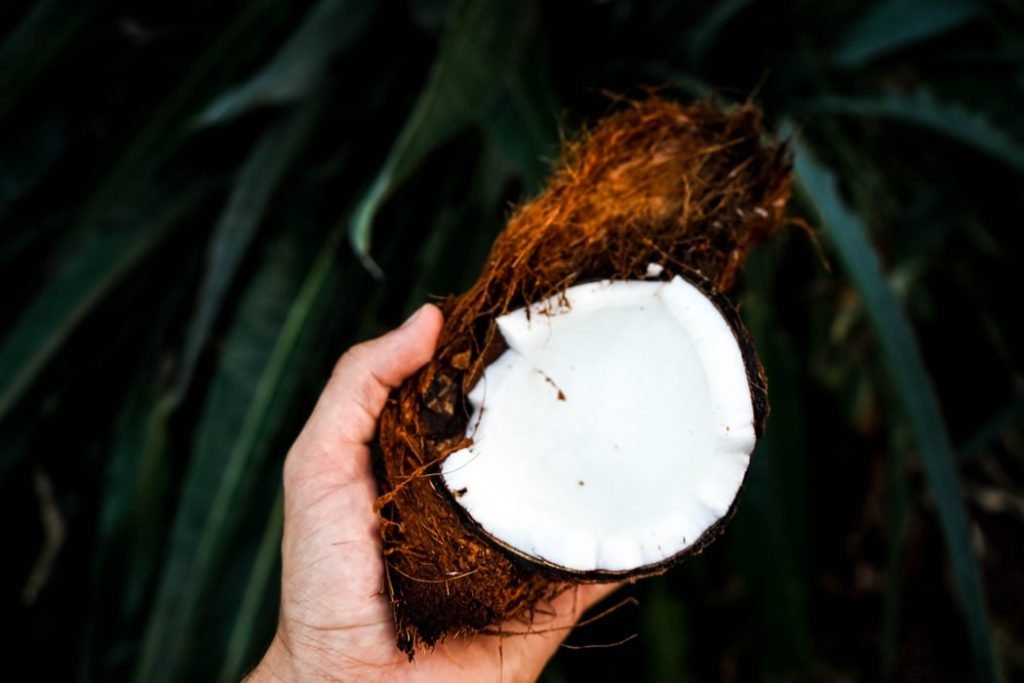
With the coconut oil craze of yester-year gleaming in the rearview, the globe was sold on the health benefits as well as the eco continuousness of using coconut oil. Cannabutter can be made with other oils, fats or shortenings, however, MCT oil extracted from coconuts is odour- and flavourless, and is versatile enough to replace any of these fats in sweet and savoury recipes.
@JonasDuecker
Having a DIY infused oil at hand will not just render the stoner chef inside you limitless, as ganja grease made with coconut oil has a bunch of budding benefits. Coconuts are high-fat fruits full of disease-fighting antioxidants, it is thought to promote blood sugar regulation and reduce risk factors associated with heart disease. It is worth mentioning that you should consult your health practitioner before including coconut in your diet as it is high in saturated fats. On the other hand, the low unsaturated fat content reduces the chance of your Yee-hee butter becoming rancid when oxidized. It is easy to get overwhelmed by the amount of coconut oil producers around the globe all attesting to their extraction, production and purifying methods; it is best to find a product which is high in MCT oils.
Here are a few uses for a cannabis-infused coconut oil:
Ache and pain relief when applied as a topical
Interchangeable with other oils, fats or shortening in most recipes
Treat sunburn and minimize skin peeling
Medicated body messages
Make coco-capsules by filling empty capsules with liquid cannabutter
Non-dairy creamer in blended coffee
Skin moisturizer
Sex lubricant – it is known to increases blood flow and heighten sensation.
If you currently reside within a zealous zip code with a legal weed status make sure to obtain quality lab-tested bud from a trusted supplier or take the time to grow your own to ensure a quality product.
@Christina_Winter
Every writer, recipe developer and dagga enthusiast will swear by their specific method and ratios, it is best to start at a neutral point with a ratio of 1:1, and adjust it slightly the next time if you want it to be more or less potent.
Decarboxylation is imperative to ensure that as much of the THC is activated and bioavailable. Decarbing is the chemical process of removing a carboxyl group from the THC-A and releases carbon dioxide and H2O. When THC-A is heated the COOH molecule is removed leaving behind the psychoactive THC, between 25 and 40% of cannabinoids are lost during this conversion.
There are a few ways to decarb your dagga, we recommend spreading your weed out on an oven-safe tray and baking it at 115C / 240F for 45 minutes.
Lecithin is a phospholipid found in eggs, avocados, soybeans and sunflowers.
It serves an essential role within the body, makes up parts of our cell membranes, acts as a binding agent to increase the structural integrity and shelf-life of products and it may increase the potency of edibles by enhancing absorption.
There is evidence pointing towards lecithin being used to treat liver and gallbladder diseases, cognitive impairment and dry skin to name a few.
Although soybean-derived lecithin is more commonly available, it is a highly produced and manufactured product, bringing its health benefits into question; hence our recommendation to opt for the sunflower variant.
The Cannapulp still has beneficial nutrients, compounds and cannabinoids! Enjoy a full spectrum entourage effect by not wasting any part of the plant and working it into your diet or as a supplement. Use up this deliciousness as a herb and incorporate it into meals.
@Pothead_Coffee
A slight precautionary warning, regardless of whether you are new to giggle grass or if you are a seasoned iron-lung; edibles take between 30 minutes to an hour to kick into action, with some reports from folks saying they have waited up to 8 hours to get the psychoactive effect. Start slow and wait at least 45 minutes before topping up. If you ever feel like you are TOO HIGH, calm down and remember it will pass. After all, there has never been a death by dagga that we know of! Along with a hand full of remedies to try are the terpenes: limonene in citrus and pinene from pine nuts and pistachios are known to reduce the psychoactive effect of THC.
Manage Consent
To provide the best experiences, we use technologies like cookies to store and/or access device information. Consenting to these technologies will allow us to process data such as browsing behavior or unique IDs on this site. Not consenting or withdrawing consent, may adversely affect certain features and functions.
Functional
Always active
The technical storage or access is strictly necessary for the legitimate purpose of enabling the use of a specific service explicitly requested by the subscriber or user, or for the sole purpose of carrying out the transmission of a communication over an electronic communications network.
Preferences
The technical storage or access is necessary for the legitimate purpose of storing preferences that are not requested by the subscriber or user.
Statistics
The technical storage or access that is used exclusively for statistical purposes.The technical storage or access that is used exclusively for anonymous statistical purposes. Without a subpoena, voluntary compliance on the part of your Internet Service Provider, or additional records from a third party, information stored or retrieved for this purpose alone cannot usually be used to identify you.
Marketing
The technical storage or access is required to create user profiles to send advertising, or to track the user on a website or across several websites for similar marketing purposes.