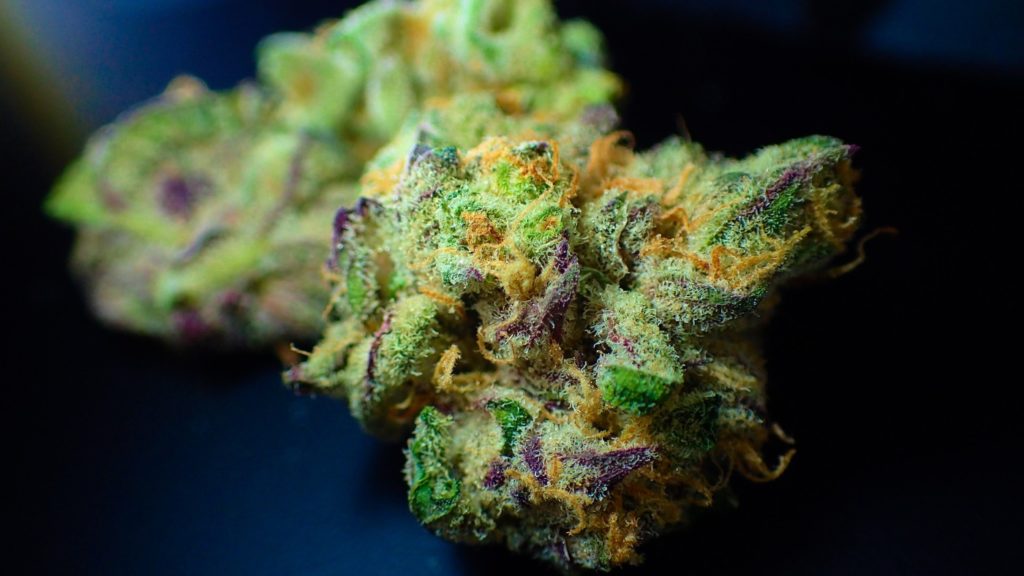
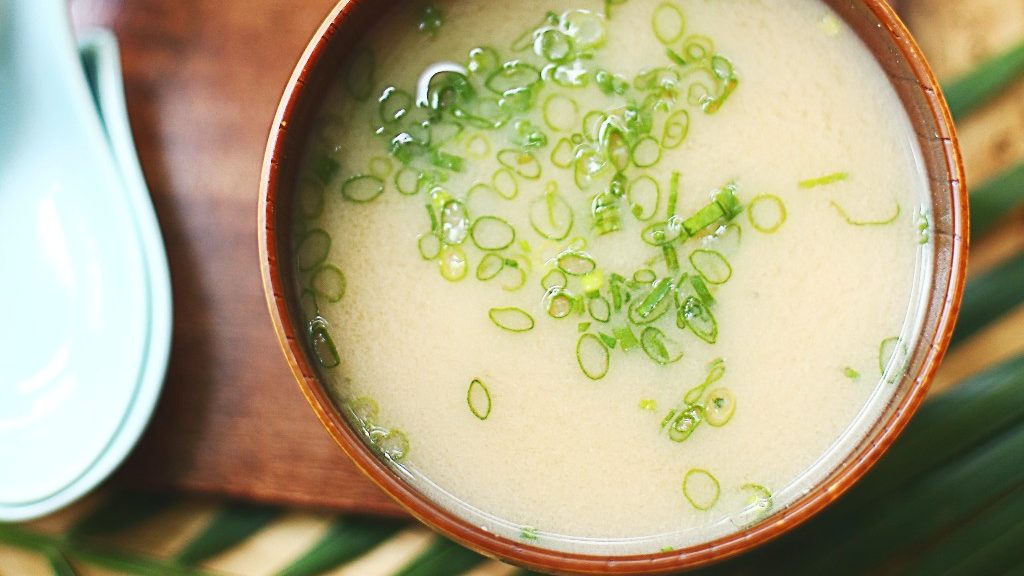
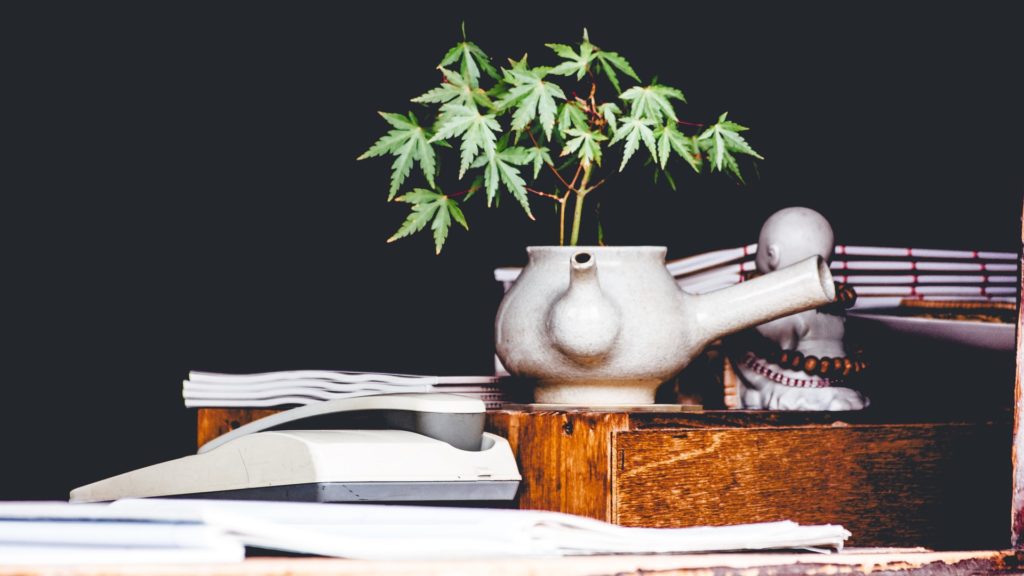
Nothing beats indulging in an Instagram worthy Eggs Benedict on a lazy Sunday unless it is packing a Pakalolo punch and Cypris Hill sings their 1993 song, puff all night long taking hits from the bong.
Eggs Benedict is an American breakfast classically made with both halves of an English muffin topped with Canadian bacon, poached eggs and hollandaise sauce.
The origin story of this boujee brunch is made up of tales ranging from an indecisive diner to an ill-faced gentleman looking to nurse his hangover. The one detail that seems to correspond amongst the so-called inventor’s accounts was that the menu item originated from The Big Apple. New Yorkers were also responsible for introducing the world to potato chips in 1853 and the Club sandwich in 1894, we love NY!
Hollandaise is an emulsion made of egg yolks, butter, lemon juice and seasoning. It is classified as one of five ‘mother’ sauces in French Haute cuisine, which forms the base for sauces used in classic dishes like Filet Mignon with Bearnaise sauce.
There are few variations of the classic benedict, you can replace the bacon with wilted spinach for Eggs Florentine.
Step aside CBD edibles! A company based in New Zealand has developed a sustainable alternative to meat.
Sustainable Foods will launch the world’s first hemp-based meat in early 2021 in partnership with the medical cannabis company Greenfern Industries.
The company already produces other plant-based meat substitutes, with some of them even contain hemp for nutritional value.
The developing team wasn’t focused on creating a meat substitute that would replicate meat in every way, but the taste of their hemp-based meat is said to be fairly similar to chicken.
All the hemp used for the meat substitute is locally sourced most of their plastic packaging is made from recycled materials.
A couple of product trials must still be conducted on the hemp-based meat, but they hope to launch their evriromentally-friendly product in early 2021.
If you are into cannabis cultivation and an avid grower of ganja, we bet you know what Sinsemilla means. For those out-of-the-know, it’s high time to read on and find out what the word means.
Sinsemilla comes from the Spanish words sin (without) and semilla (seed), translating literally to “without seeds”. Some might argue that Sinsemilla refers to a specific strain, subtype, or geographic location, but they would be wrong.
The word is simply used to describe seedless cannabis flowers that come from unfertilised female plants.
Those who’ve smoked some epic bud before will know that weed without seeds is dope AF. Seedless marjijuana is more potent, tastes better, and is simply of overall higher quality. Any podhead worth his spliff will be quick to tune you that weed with tons of seeds are of poor quality.
Why does shitty weed have seeds in it?
All marijuana that you buy or grow will have seeds. Weed with a bunch of seeds is called ‘stress weed’. It’s highly likely that the plant was exposed to nasty elements that interfered with its growing process.
When a plant becomes stressed, it thinks it is gonna die. Believing it’s at death’s door, the plant starts producing male flowers and pollinates itself.
It certainly gives a whole new meaning to the phrase “go f$ck yourself” because that is literally what the plant is doing. Once this happens, your THC production goes down the drain. The cannabis flowers stop producing resin and start producing seeds.
Step aside artificial fertilizers and nutrients, we are going organic! Compost tea is a nutrient-rich, well-balanced organic supplement made by steeping aged compost in unchlorinated water. Feeding your cannabis plant the best possible compost tea will boost growth and fend off any unwanted pests.
Known amongst those with the greenest fingers as liquid gold fertilizer, compost tea is a liquid fertilizer used for all kinds of flowers, vegetables and plants. The bio-diverse brew is an easily absorbed liquid full of nutrients, bacteria, fungi, protozoa and predatory nematodes. Protozoa are free-living or parasitic single-celled eukaryotes that feed off organic tissue and debris. The nematodes, on the other hand, take care of the slow-moving soft-bodied insect but won’t affect your plant or earthworm friends.
Compost is a soil conditioner rich in nutrients and microscopic organisms. It is the result of the slow degeneration of natural waste materials like fruits, vegetables, eggshells, paper and garden trimmings. Choose a well-matured finished compost, resembling the texture of cornmeal with a healthy smell of rich forest floor.
Credit @MarkusSpiske
Why compost tea?
Use as a foliage spray and a root-drench that will not damage roots
Packed full of easy to absorb nutrients and minerals to boost bigger blooms
Live microbes enhance the soil web and strengthens the plant’s immune system
One alternative replaces chemical-based fertilizer, pesticide and fungicide saving you money
Make your own compost tea at home by following the basic guide below. The prepared tea will be good for three days, before the microorganism run out of food and start deteriorating.
You will need a set of buckets, a basic fish tank pump with an aerator, a cheesecloth to strain the solids from the tea and of course the best-finished compost you can get your hands on;
STEP 1
Fill a bucket one-third of the way with compost and top it with unchlorinated water, leave enough space at the top of the bucket to avoid messing when you get in there to give it a good old stir
STEP 2
Attach the aerator to the pump and drop it in the bucket. Best ensure the pump is not in any direct splash-zones to avoid getting a shock
STEP 3
Feed the beneficial soil bacteria by adding 30-grams of organic molasses for every ten litres of tea
STEP 4
Occasional stir your bubbling brew over the next 48 hours
STEP 5
Strain the tea into a second bucket through cheesecloth. You can work the solids into the compost heap or plant beds
STEP 6
Use the compost tea as a bi-weekly root drench and early evening foliage spray
Credit @Zamnesia
Foliage Spray
Add one millilitre of vegetable oil to every litre of tea, give it a good shake and spray it directly onto plant leaves and flowers. The oil will help the liquid stick to the surface of your plant, but can also cause leaf burn if applied during the heat of the day.
Make sure you are looking after your plant on a microscopic level with an organic, home-made, well-formulated and bio-diverse liquid fertilizer.
The magical herb that is Cannabis has long been used by musicians and artists to enhance their creativity. But how does it affect the productivity of those with other careers and work responsibilities?
There are obvious reasons why being high at work can be a problem, but does a hit from the bong after a long day at the office affect employee performance and productivity the next day?
Thanks to a group of researchers from San Diego State and Auburn University, the “potheads are less productive” myth got busted.
Published in the Group & Organization Management journal, the study explored how using cannabis at different times of the day affected people’s ability to complete tasks and live up to their job requirements. It also focused on their behaviour toward colleagues and attitude toward their work.
The researchers asked 281 employees to disclose how often they used pot during their average workday, including two hours before and two hours after work. Supervisors were then asked to evaluate each employee on task performance, their behaviour towards co-workers and counterproductive work behaviour.
After comparing each employee’s evaluations with their self-reported pot use to look for connections, researchers concluded that the use of Cannabis after work did not affect any of the measures of workplace performance.
The same, however, could not be said of those who used cannabis before and during work. The analysis showed it had a negative impact on their ability to carry out tasks, affected their concentration and reduced their ability to solve problems.
Interestingly enough, getting high before or during work also had a negative effect on citizenship behaviours focused on the organization, but not on citizenship behaviours towards other employees.
Those who used cannabis after work did not show any signs of reduced workplace performance, counterproductive work behaviour, or negative social behaviour.
The study does not provide detail on how much cannabis was consumed by the participants. Nonetheless, it challenges stereotypes that label stoners as lazy and unmotivated.
Mike Tyson is no longer the only boxer dabbing into the weed business. Lennox Lewis, one of the few men to have knocked-out Iron Mike, is stepping into the cannabis ring, dumping a large chunk of his fortune into the ever-growing industry.
The former champ will serve as an executive advisor for New Maple Holdings Ltd, a Canadian company specializing in the design of cannabis farms for medical use. The company holds two subsidiaries: New Maple Consulting, offering technical advice to new enterprises in the weed industry, and CanWe Growers, a licensed cannabis producer. To date, the business has raised more than $8.5 million in funds and has secured over 1.4 million square feet of production space in Ontario.
Lewis, who retired from boxing in 2004, has been investing in startups and new businesses ever-since. His latest venture is giving him a chance to become part of a company that will provide millions of people worldwide with relief from concussions, insomnia, old sports injuries, and many other medical conditions.
The undisputed heavyweight’s business decision is certainly a good move, with Canada being the fastest-growing cannabis market in the world and estimated to reach a whopping $1.8 billion in annual sales this year.
Lennox Lewis and Mike Tyson are not the only athletes endorsing cannabis and praising the plant’s benefits. NBA star Kevin Durant also partnered up with a Canadian cannabis company, while Hall of Fame quarterback Joe Montana became part of a $75 million investment in a California-based cannabis group in January 2019.
Craving some seriously dang food? Since you’re probably already stoned, you’ll be on the rampage for something greasy and epic. These loaded fries are the best way to pre-empt your weed-induced hunger pangs.
Nature calls and we’re answering back with beautiful cannabis inspired prints!
With humanity and sustainability is at the forefront of our minds, nature and its remedies have claimed the number one spot where 2020 trends are concerned.
As for interior design, Wallpaper is without question the interior protagonist in this year and marijuana plants are the supporting artists in these botanical murals, designed to calm, soothe and celebrate one of Mother Natures’s greatest gifts.
Cannabliss Scented Wallpaper
Flavor Paper is well known for its signature scratch-and-sniff wallpaper that comes in three scents: cherry, banana, and citrus. As designers and celebrities rush to cover their guest toilets with scented paper, the company decided to go all dope on their fancy arses with the addition of Cannabliss. At first glance, the unconventional wallpaper looks like classic damask, but upon further inspection, it’s actually a weed plant.
“We have nailed a very pleasant yet dank scent that is made from true flowering hemp terpenes to ensure we’re keeping it real,” the description reads. “It’s CBD for your eyes and walls, and just makes you feel good.”
Weed Grey Wallpaper
Made to order by Spoonflower and available in four different lengths, this wallpaper is designed by independent artists. The best part is that this wallpaper is re-positionable and eco-friendly, so it is a great buy for the more conscious stoned citizen.
Weed Wallpapers from Wallshøppe!
Turn any room into a sinsemilla sanctuary with these dope-draped wallpapers from Wallshøppe! Printed on 100% nontoxic eco-friendly and scratch-resistant paper that’s removable. It’s made-to-order and available in some rad colours, with daffodil scoring the highest on my scale.
Indica by Superflower
This budding work of art forms part of New York design studio Superflower’s Florescence collection, which includes nine patterns with “fantastical floral forms” in nine different colourways. Living up to its scientific name, Indica is modelled on the “visually stunning form” of the cannabis plant.
trim the roots and leaves off the leeks, leaving only the white part and about 2 inches of the green. Rinse the leeks with water and split them lengthwise and slice crosswise.
Sauté the leeks in the canna butter and butter combo for about ten minutes on low heat or until soft.
Stir in the potatoes, add salt and pepper, and the chicken broth. Bring the soup to a boil.
While this cooks, chop-up the asparagus and add it to the boiling soup.
Reduce the heat of the burner and simmer, uncovered, for about ten minutes until all the vegetables are tender.
Move the soup to a food processor or a blender and blend until pureed.
Pour the soup back into a clean saucepan and stir in the cream, mixing thoroughly.
Growing your own reefer will not just save you money, you will be smoking organic flowers giving back all of the love that you poured into them. This article by no means covers nearly enough to guarantee success at any level of growth, it is purely meant to outline the process from seed to smoke. There are many different ways to grow, harvest, dry, trim and cure marijuana. This basic guide will give you a glimpse into the life of an outdoor pot plant parent.
Choosing the right seeds
Spliff seeds are endospermic, confirming the presence of an endosperm which acts in feeding the seed to speed up germination. In just a few days the plant emerges from the soil looking like a fully formed plant. There are a few variables to consider before choosing the right strain. There are three cannabis species; Sativa, Indica and Ruderalis; each with distinguishable differences. Sativa and Indica plants are photoperiod flowering and require strict control over most variables from start to finish. Ruderalis plants are easy to grow, auto-flowering and will be ready to consume quicker that the Sativa or Indica cousins. There are hundreds of thousands of ‘sub’ strains, made up of landraces and hybrid plants. Breeders are coming up with new hybrids all the time! The first step to becoming a pot plant parent is to acknowledge the commitment ahead in raising your pot plant!
Shop around online for seeds with your preferred THC and CBD breakdown. Investigate the reviews on the products and check the preferred growing conditions for each strain to ensure you can deliver the water, sunshine and nutrients to ensure a happy plant. Ensure the seeds you choose are feminized or auto-flowering to avoid male plants who will pollinate the female ones and turn your flowers to seeds. Intersex plants are self-pollinating and should be avoided as well. Seeds are fairly durable; they have been known to germinate up to five years later when kept in a cool dry environment, and as long as ten years if sealed and frozen.
Pot Plant Parent Calander
Germination
(15 Jul – 30 Sep) Pot plants love warmer climates, the temperature should never dip below 10 C, however, they grow ideally between 20 and 27 C. To germinate your seeds, place them in a glass jar with filtered water for 36 hours; then place the seeds on a paper towel and put it inside a ziplock bag, wet the paper towel and seal the bag creating a greenhouse effect. The bag should be soaking up as much sun as possible at this point. Keep an eye on the taproots, when they measure 2cm they are ready to be planted into prepared jiffy pellets.
Credit @GardeningKnowHow
Potting
(15 Aug – 15 Nov) The next step is to plant the jiffy pellets into your chosen soil. We recommend fabric pots because they are lightweight, allows the root system to breath, promotes rapid growth and prevents overwatering. The size of the pot will determine how much your plant will grow, an eight-litre pot will allow your plant to grow up to 90cm tall and yield 60 – 120g of smokable green. Pot plant parent goals!
There are several growing mediums to choose from, we suggest using a formulated topsoil that is light with an airy texture like perlite or coco coir (coconut husk), is balanced in nutrients and has the bacteria and fungi needed for optimum plant growth. Avoid using synthetic additives and salt-based nutrients. Create a nutrient reservoir by filling the first quarter of the pot with super nutrient-rich soil and fill the rest of the pot with topsoil.
Here are four ways to look after and feed your soil while your plant baby is growing
Feed the top layer of your soil with earthworm castings every few weeks, they are nutrient-dense and assist with drainage and water retention.
Reinvigorate your soil and boost the carbohydrate nutrients, by mixing 5ml of organic molasses with one litre of water to rinse through the soil every six to eight weeks.
Boost the living soil web and get micronutrients in the soil with a homemade compost tea worked into your watering routine, it should also be used as a foliar spray.
Reduce unnecessary evaporation with a crop cover of crimson clover, which can help prevent nutrient imbalances.
Lighting
Lighting is important, by the time the seedling emerges it will need as much direct sunlight as possible. Natural sunlight produced a full flavoured flower that is aromatic with terpenes and has a high cannabinoid level. If it looks like your seedlings are stretching out it means they are looking for sunlight and you should position them to be exposed to more direct rays.
Watering
Water your plant babies every few days to once a week, increasing the frequency as the plant grows. Filtered or bottled water is best as the chlorine in the tapped variety could damage all the good bacteria and fungi in the soil. It is a good idea to flush your soil every couple of weeks to rinse out any fertilizer build-up.
What are Trichomes?
Trichomes are the cannabis flower’s natural defence against bugs and pests. If you do end up having unwanted visitors; neem oil and dishwashing soap, mixed at a 4:1 ratio can be sprayed on your plant to keep away bugs, mould and fungus.
Credit: @Ryan-Lange
Pruning & Topping
Suggest period for Southern Hemisphere: 15 Nov – 30 Jan
Pruning essentially improves the quality and yield of your cannabis. By removing the lower branches as well as any yellow or dead leaves, your plant will redirect its energy and resources to the quality buds. It will also allow for better airflow around the remaining flowers to ensure your plant remains healthy and vibrant.
Topping is necessary to ensure your plant does not focus all its resources on the main stem, but rather redistribute the nutrient and energy resources to support lateral growth that will result in a bushy plant baby with lots of surface area to absorb all the natural rays. When there are around five nodes on the main stem, cut off the newest node at the top.
Flowering
Your plant baby will start flowering once the nights get longer and winter is around the corner. The flowering stage is activated when the plant is in uninterrupted darkness for between ten and twelve hours. The plant will undergo a growth spurt in anticipation of an abundant yield.
Credit: @GioBartlett
Harvesting
(15 Mar – 30 Jun) Your little bambino is almost ready, with two weeks to go it is time to flush all the salts and minerals from the soil. Do not administer any further supplements and water with a ph-balanced H2O. Using a magnifying glass check the trichomes daily, when a quarter of the trichomes turn amber or brown the flowers are ready to be harvested.
Trimming, Drying & Curing
Trimming can be done before or after you have dried your bud. The small sugar leaves might be tricky to remove once they are dry, but there is no reason for removing these from your smokable flower; they are loaded with cannabinoids and terpenes! It is important that there is enough air circulation around the drying bud to ensure it is evenly dried. The drying process takes about two weeks, once the smaller branches snap when bent the bud is ready for curing!
Place the flowers in a sealable glass jar and leave it in a cool dark corner, burping the jar once a day for a week before leaving the jar unopened for another week. Your bud-die is now ready to be ground down and enjoyed! Sit back, relax and let your plant take care of you for a change!
Credit: @Panos_Sakalakis
Manage Consent
To provide the best experiences, we use technologies like cookies to store and/or access device information. Consenting to these technologies will allow us to process data such as browsing behavior or unique IDs on this site. Not consenting or withdrawing consent, may adversely affect certain features and functions.
Functional
Always active
The technical storage or access is strictly necessary for the legitimate purpose of enabling the use of a specific service explicitly requested by the subscriber or user, or for the sole purpose of carrying out the transmission of a communication over an electronic communications network.
Preferences
The technical storage or access is necessary for the legitimate purpose of storing preferences that are not requested by the subscriber or user.
Statistics
The technical storage or access that is used exclusively for statistical purposes.The technical storage or access that is used exclusively for anonymous statistical purposes. Without a subpoena, voluntary compliance on the part of your Internet Service Provider, or additional records from a third party, information stored or retrieved for this purpose alone cannot usually be used to identify you.
Marketing
The technical storage or access is required to create user profiles to send advertising, or to track the user on a website or across several websites for similar marketing purposes.