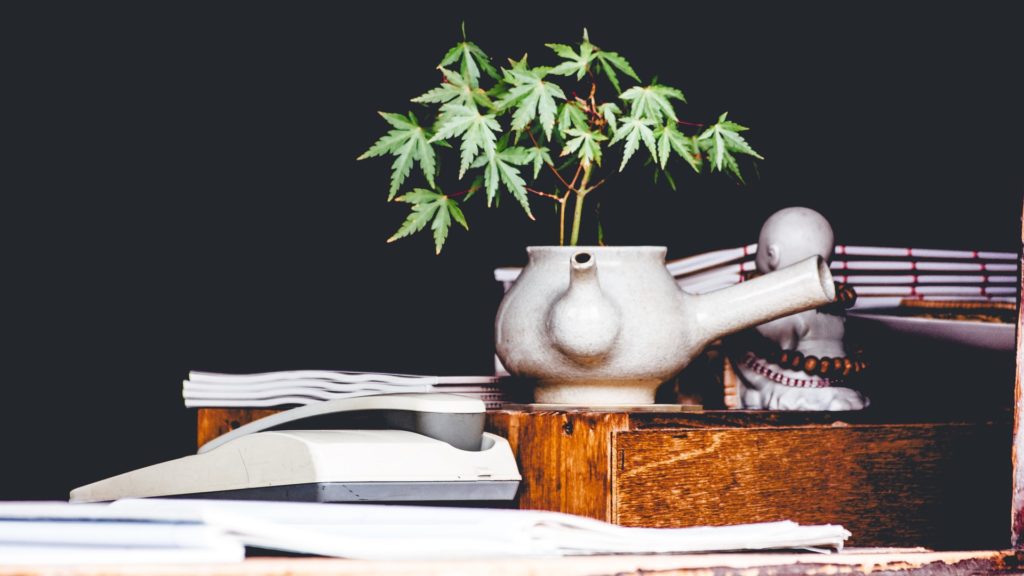
Growing your own reefer will not just save you money, you will be smoking organic flowers giving back all of the love that you poured into them. This article by no means covers nearly enough to guarantee success at any level of growth, it is purely meant to outline the process from seed to smoke. There are many different ways to grow, harvest, dry, trim and cure marijuana. This basic guide will give you a glimpse into the life of an outdoor pot plant parent.
Choosing the right seeds
Spliff seeds are endospermic, confirming the presence of an endosperm which acts in feeding the seed to speed up germination. In just a few days the plant emerges from the soil looking like a fully formed plant. There are a few variables to consider before choosing the right strain. There are three cannabis species; Sativa, Indica and Ruderalis; each with distinguishable differences. Sativa and Indica plants are photoperiod flowering and require strict control over most variables from start to finish. Ruderalis plants are easy to grow, auto-flowering and will be ready to consume quicker that the Sativa or Indica cousins. There are hundreds of thousands of ‘sub’ strains, made up of landraces and hybrid plants. Breeders are coming up with new hybrids all the time! The first step to becoming a pot plant parent is to acknowledge the commitment ahead in raising your pot plant!
Shop around online for seeds with your preferred THC and CBD breakdown. Investigate the reviews on the products and check the preferred growing conditions for each strain to ensure you can deliver the water, sunshine and nutrients to ensure a happy plant. Ensure the seeds you choose are feminized or auto-flowering to avoid male plants who will pollinate the female ones and turn your flowers to seeds. Intersex plants are self-pollinating and should be avoided as well. Seeds are fairly durable; they have been known to germinate up to five years later when kept in a cool dry environment, and as long as ten years if sealed and frozen.

Germination
(15 Jul – 30 Sep)
Pot plants love warmer climates, the temperature should never dip below 10 C, however, they grow ideally between 20 and 27 C. To germinate your seeds, place them in a glass jar with filtered water for 36 hours; then place the seeds on a paper towel and put it inside a ziplock bag, wet the paper towel and seal the bag creating a greenhouse effect. The bag should be soaking up as much sun as possible at this point. Keep an eye on the taproots, when they measure 2cm they are ready to be planted into prepared jiffy pellets.

Potting
(15 Aug – 15 Nov)
The next step is to plant the jiffy pellets into your chosen soil. We recommend fabric pots because they are lightweight, allows the root system to breath, promotes rapid growth and prevents overwatering. The size of the pot will determine how much your plant will grow, an eight-litre pot will allow your plant to grow up to 90cm tall and yield 60 – 120g of smokable green. Pot plant parent goals!
There are several growing mediums to choose from, we suggest using a formulated topsoil that is light with an airy texture like perlite or coco coir (coconut husk), is balanced in nutrients and has the bacteria and fungi needed for optimum plant growth. Avoid using synthetic additives and salt-based nutrients. Create a nutrient reservoir by filling the first quarter of the pot with super nutrient-rich soil and fill the rest of the pot with topsoil.
Here are four ways to look after and feed your soil while your plant baby is growing
- Feed the top layer of your soil with earthworm castings every few weeks, they are nutrient-dense and assist with drainage and water retention.
- Reinvigorate your soil and boost the carbohydrate nutrients, by mixing 5ml of organic molasses with one litre of water to rinse through the soil every six to eight weeks.
- Boost the living soil web and get micronutrients in the soil with a homemade compost tea worked into your watering routine, it should also be used as a foliar spray.
- Reduce unnecessary evaporation with a crop cover of crimson clover, which can help prevent nutrient imbalances.
Lighting
Lighting is important, by the time the seedling emerges it will need as much direct sunlight as possible. Natural sunlight produced a full flavoured flower that is aromatic with terpenes and has a high cannabinoid level. If it looks like your seedlings are stretching out it means they are looking for sunlight and you should position them to be exposed to more direct rays.
Watering
Water your plant babies every few days to once a week, increasing the frequency as the plant grows. Filtered or bottled water is best as the chlorine in the tapped variety could damage all the good bacteria and fungi in the soil. It is a good idea to flush your soil every couple of weeks to rinse out any fertilizer build-up.
What are Trichomes?
Trichomes are the cannabis flower’s natural defence against bugs and pests. If you do end up having unwanted visitors; neem oil and dishwashing soap, mixed at a 4:1 ratio can be sprayed on your plant to keep away bugs, mould and fungus.

Pruning & Topping
Suggest period for Southern Hemisphere: 15 Nov – 30 Jan
Pruning essentially improves the quality and yield of your cannabis. By removing the lower branches as well as any yellow or dead leaves, your plant will redirect its energy and resources to the quality buds. It will also allow for better airflow around the remaining flowers to ensure your plant remains healthy and vibrant.
Topping is necessary to ensure your plant does not focus all its resources on the main stem, but rather redistribute the nutrient and energy resources to support lateral growth that will result in a bushy plant baby with lots of surface area to absorb all the natural rays. When there are around five nodes on the main stem, cut off the newest node at the top.
Flowering
Your plant baby will start flowering once the nights get longer and winter is around the corner. The flowering stage is activated when the plant is in uninterrupted darkness for between ten and twelve hours. The plant will undergo a growth spurt in anticipation of an abundant yield.

Harvesting
(15 Mar – 30 Jun)
Your little bambino is almost ready, with two weeks to go it is time to flush all the salts and minerals from the soil. Do not administer any further supplements and water with a ph-balanced H2O. Using a magnifying glass check the trichomes daily, when a quarter of the trichomes turn amber or brown the flowers are ready to be harvested.
Trimming, Drying & Curing
Trimming can be done before or after you have dried your bud. The small sugar leaves might be tricky to remove once they are dry, but there is no reason for removing these from your smokable flower; they are loaded with cannabinoids and terpenes! It is important that there is enough air circulation around the drying bud to ensure it is evenly dried. The drying process takes about two weeks, once the smaller branches snap when bent the bud is ready for curing!
Place the flowers in a sealable glass jar and leave it in a cool dark corner, burping the jar once a day for a week before leaving the jar unopened for another week. Your bud-die is now ready to be ground down and enjoyed! Sit back, relax and let your plant take care of you for a change!


